
Make a call

NACE MR0175
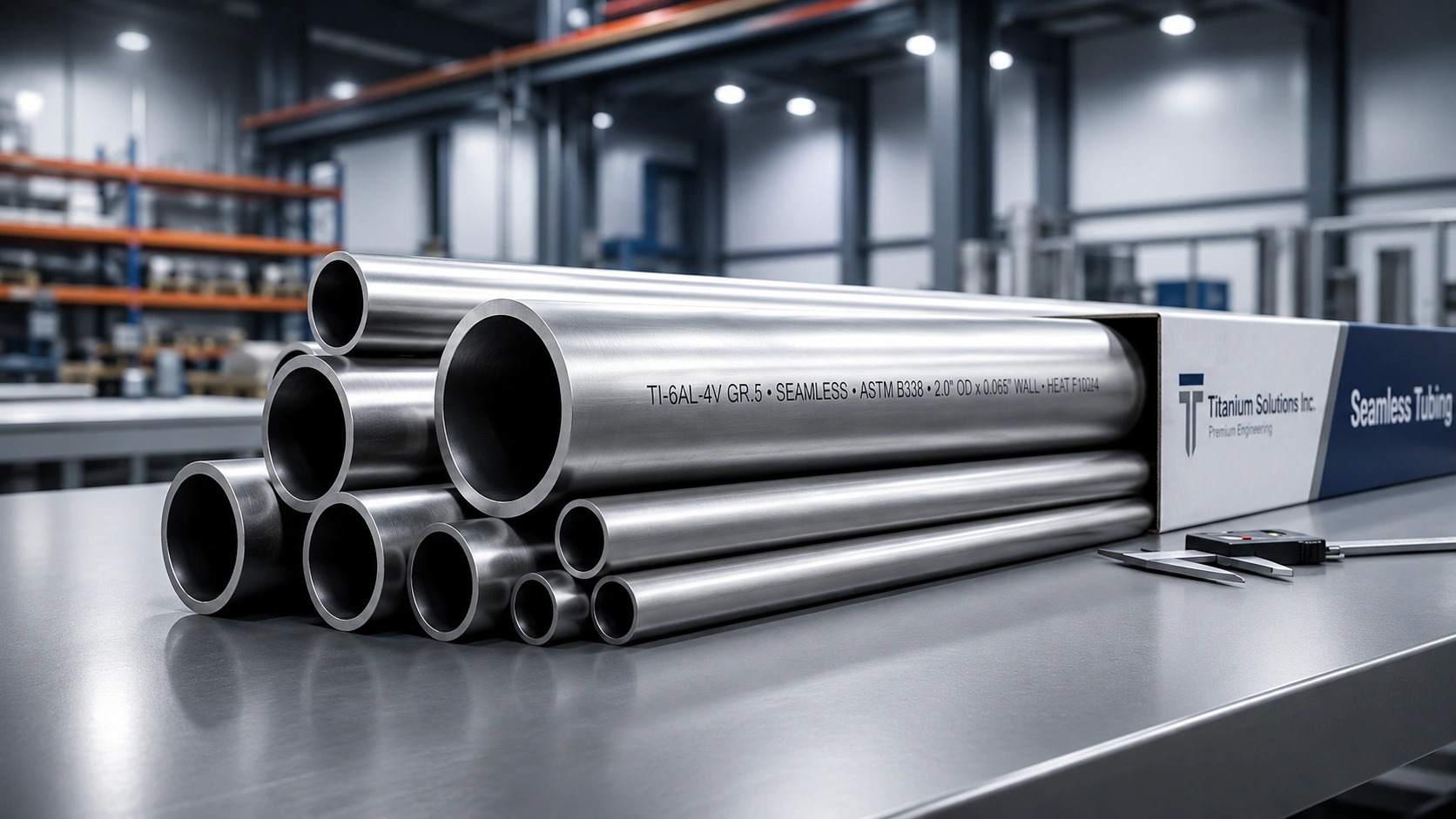
NACE MR0175 Compliant Material
Online Titanium is a trusted NACE MR0175 material supplier, manufacturer, stockist, and exporter offering high-quality NACE MR0175 compliant material, NACE MR0175 certified material, NACE MR0175 approved material, and NACE MR0175 sour service material for oil and gas, sour gas, offshore, petroleum, chemical processing, natural gas production, and H2S service applications.
Our supply range includes NACE MR0175 titanium, NACE MR0175 titanium alloy, NACE MR0175 nickel alloy, NACE MR0175 stainless steel, NACE MR0175 duplex stainless steel, NACE MR0175 super duplex stainless steel, NACE MR0175 Inconel, NACE MR0175 Monel, NACE MR0175 Hastelloy, NACE MR0175 carbon steel, and NACE MR0175 low alloy steel in pipes, bars, plates, forgings, flanges, fittings, fasteners, and valves.
Company Product by Online Titanium
Online Titanium supplies NACE MR0175 compliant metals and sour service materials for applications where resistance to sulfide stress cracking, hydrogen induced cracking, stress corrosion cracking, and H2S-related corrosion is critical.
As a reliable NACE MR0175 material supplier and NACE MR0175 compliant material manufacturer, Online Titanium provides metallic materials suitable for harsh oil and gas service environments, including sour gas service, offshore applications, petroleum systems, natural gas production, and high-corrosion industrial environments.
Our NACE MR0175 product range includes:
NACE MR0175 material
NACE MR0175 materials
NACE MR0175 compliant material
NACE MR0175 compliant metals
NACE MR0175 certified material
NACE MR0175 approved material
NACE MR0175 sour service material
NACE MR0175 H2S service material
NACE MR0175 corrosion resistant material
NACE MR0175 cracking resistant material
NACE MR0175 metallic materials
NACE MR0175 titanium
NACE MR0175 nickel alloy
NACE MR0175 stainless steel
NACE MR0175 duplex stainless steel
NACE MR0175 super duplex stainless steel
Product Overview
NACE MR0175 is a widely used material requirement for metallic materials used in sour service environments containing hydrogen sulfide, also known as H2S service. It is commonly searched as NACE MR0175 ISO 15156, NACE MR0175 / ISO 15156, ISO 15156 NACE MR0175, nace mr 0175, and nace mr0175 latest edition.
Online Titanium supplies NACE MR0175 compliant material in different forms, including NACE MR0175 pipe, NACE MR0175 bar, NACE MR0175 plate, NACE MR0175 forging, NACE MR0175 flanges, NACE MR0175 fittings, NACE MR0175 fasteners, and NACE MR0175 valves for critical oil and gas environments.
This material category is commonly searched by buyers looking for NACE MR0175 sour service material, NACE MR0175 H2S resistant material, NACE MR0175 oil and gas material, ISO 15156 sour service material, NACE MR0175 material supplier, and NACE MR0175 compliance certificate.
What is NACE MR0175?
NACE MR0175 is a material standard used for metallic materials exposed to sour oil and gas production environments containing hydrogen sulfide. It is also commonly referenced together with ISO 15156 as NACE MR0175 / ISO 15156.
The main purpose of NACE MR0175 material requirements is to help select materials that resist cracking mechanisms such as sulfide stress cracking, stress corrosion cracking, and hydrogen induced cracking in H2S-containing service conditions.
Common buyer search terms include NACE MR0175 material, NACE MR0175 compliant material, NACE MR0175 certified material, NACE MR0175 sour gas service, NACE MR0175 H2S service, NACE MR0175 hardness requirements, and NACE MR0175 material certificate.
Key Features of NACE MR0175 Compliant Material
Sour Service Material Compatibility
NACE MR0175 sour service material is selected for environments where H2S exposure can cause cracking, corrosion, and material failure.
H2S Resistant Material
NACE MR0175 H2S resistant material is used in oil and gas systems where hydrogen sulfide is present in production, processing, or offshore service.
Cracking Resistance
NACE MR0175 cracking resistant material helps reduce the risk of sulfide stress cracking, stress corrosion cracking, and hydrogen induced cracking.
Multiple Metal Options
Online Titanium supplies NACE MR0175 titanium, NACE MR0175 nickel alloy, NACE MR0175 stainless steel, NACE MR0175 duplex stainless steel, NACE MR0175 super duplex stainless steel, NACE MR0175 Inconel, NACE MR0175 Monel, and NACE MR0175 Hastelloy as per project requirements.
Available in Multiple Product Forms
We supply NACE MR0175 pipe, bar, plate, forging, flanges, fittings, fasteners, and valves for oil and gas projects.
Certificate Support
Online Titanium can support NACE MR0175 certificate, NACE MR0175 compliance certificate, NACE MR0175 material certificate, and NACE MR0175 sour service certificate requirements based on customer order specifications.
Technical Specifications of NACE MR0175 Material
| Product Name | NACE MR0175 Compliant Material |
|---|---|
| Primary Keyword | NACE MR0175 |
| Related Standard | NACE MR0175 / ISO 15156 |
| Material Type | Metallic Materials for Sour Service |
| Service Environment | H2S Service / Sour Gas Service |
| Common Materials | Titanium, Nickel Alloy, Stainless Steel, Duplex, Super Duplex, Inconel, Monel, Hastelloy, Carbon Steel |
| Product Forms | Pipe, Bar, Plate, Forging, Flanges, Fittings, Fasteners, Valves |
| Key Requirement | Resistance to cracking in sour service |
| Important Factors | Hardness, chemical composition, heat treatment, mechanical properties, service environment |
| Testing Support | HIC Test, SSC Test, Material Certification, Compliance Documentation |
| Applications | Oil & Gas, Sour Gas, Offshore, Petroleum, Natural Gas Production |
| Supplier | Online Titanium |
NACE MR0175 Material Requirements
NACE MR0175 material requirements depend on the material type, alloy grade, service condition, temperature, pressure, H2S exposure, chloride content, pH level, hardness level, and project specification.
Important material selection factors include:
Chemical composition
Mechanical properties
Hardness requirements
Hardness limit
Heat treatment condition
Sour service compatibility
H2S service resistance
Sulfide stress cracking resistance
Hydrogen induced cracking resistance
Stress corrosion cracking resistance
Material certificate requirements
Testing and compliance documentation
NACE MR0175 Chemical Composition
The NACE MR0175 chemical composition depends on the selected material grade. Online Titanium supplies NACE MR0175 compliant materials in titanium, nickel alloys, stainless steels, duplex steels, super duplex steels, carbon steels, and other corrosion-resistant alloys.
Titanium and Titanium Alloy Materials
NACE MR0175 titanium and NACE MR0175 titanium alloy are selected for corrosion resistance, lightweight performance, and high reliability in demanding environments.
Nickel Alloy Materials
NACE MR0175 nickel alloy, NACE MR0175 Inconel, NACE MR0175 Monel, and NACE MR0175 Hastelloy are selected for severe corrosion, sour gas, offshore, and high-performance petroleum applications.
Stainless Steel Materials
NACE MR0175 stainless steel, NACE MR0175 duplex stainless steel, and NACE MR0175 super duplex stainless steel are used in sour service systems where strength, corrosion resistance, and chloride resistance are required.
Carbon Steel and Low Alloy Steel Materials
NACE MR0175 carbon steel and NACE MR0175 low alloy steel are used in oil and gas applications where hardness, heat treatment, and sour service conditions are properly controlled.
NACE MR0175 Mechanical Properties
The NACE MR0175 mechanical properties depend on the material family, grade, product form, heat treatment, hardness, and sour service condition.
| Property | Importance |
|---|---|
| Tensile Strength | Supports load-bearing capability |
| Yield Strength | Helps determine design strength |
| Elongation | Indicates ductility and deformation resistance |
| Hardness | Critical for NACE MR0175 compliance |
| Toughness | Important for sour service and offshore applications |
| Corrosion Resistance | Required for sour gas and H2S service |
| Cracking Resistance | Helps reduce SSC, SCC, and HIC risk |
| Heat Treatment Condition | Affects hardness and cracking resistance |
| Certification | Supports project compliance and traceability |
NACE MR0175 hardness requirements and NACE MR0175 hardness limit are especially important because hardness directly affects susceptibility to cracking in sour service environments.
NACE MR0175 Testing Requirements
NACE MR0175 testing requirements depend on the material, application, service condition, and project specification. Online Titanium can support documentation and testing requirements for sour service material supply.
HIC Test
NACE MR0175 HIC test is related to hydrogen induced cracking evaluation for materials used in H2S environments.
SSC Test
NACE MR0175 SSC test is related to sulfide stress cracking evaluation for sour service applications.
Hardness Testing
NACE MR0175 hardness requirements are important because hardness limits are used to reduce cracking risk in sour environments.
Material Certification
NACE MR0175 material certificate, NACE MR0175 compliance certificate, and NACE MR0175 sour service certificate help confirm material compliance based on customer and project requirements.
Variants of NACE MR0175 Compliant Products
NACE MR0175 Pipe
NACE MR0175 pipe is used in sour gas pipelines, petroleum processing, offshore systems, and H2S service piping.
NACE MR0175 Bar
NACE MR0175 bar is used for machining shafts, fasteners, valve parts, pump components, and oilfield equipment.
NACE MR0175 Plate
NACE MR0175 plate is used for pressure equipment, fabricated components, offshore structures, and corrosion-resistant assemblies.
NACE MR0175 Forging
NACE MR0175 forging is used for high-integrity components such as forged fittings, rings, discs, blocks, valve parts, and oilfield components.
NACE MR0175 Flanges
NACE MR0175 flanges are used in sour service piping systems, offshore platforms, chemical plants, and oil and gas processing systems.
NACE MR0175 Fittings
NACE MR0175 fittings are used for pipe connections, sour gas lines, petroleum systems, and H2S service assemblies.
NACE MR0175 Fasteners
NACE MR0175 fasteners are used where bolting components must meet sour service material requirements.
NACE MR0175 Valves
NACE MR0175 valves are used in sour service flow control systems, oilfield equipment, offshore platforms, and petroleum processing systems.
NACE MR0175 Material Options
NACE MR0175 Titanium
NACE MR0175 titanium is selected for excellent corrosion resistance, lightweight performance, and reliability in demanding sour service and offshore applications.
NACE MR0175 Titanium Alloy
NACE MR0175 titanium alloy is used where higher strength and corrosion resistance are required in harsh oil and gas environments.
NACE MR0175 Nickel Alloy
NACE MR0175 nickel alloy is used for high-corrosion sour gas service, offshore systems, chemical exposure, and petroleum industry applications.
NACE MR0175 Stainless Steel
NACE MR0175 stainless steel is used for corrosion-resistant oil and gas components, piping, fittings, flanges, and valves.
NACE MR0175 Duplex Stainless Steel
NACE MR0175 duplex stainless steel offers strength and corrosion resistance for sour service and offshore applications.
NACE MR0175 Super Duplex Stainless Steel
NACE MR0175 super duplex stainless steel is selected for high chloride, sour service, offshore, and severe corrosion environments.
NACE MR0175 Inconel
NACE MR0175 Inconel is used for sour gas, high temperature, corrosion-resistant, and high-performance oil and gas applications.
NACE MR0175 Monel
NACE MR0175 Monel is used where resistance to seawater, sour service, and chemical corrosion is required.
NACE MR0175 Hastelloy
NACE MR0175 Hastelloy is selected for severe chemical corrosion, sour service, and aggressive oil and gas environments.
NACE MR0175 Carbon Steel
NACE MR0175 carbon steel is used in controlled sour service applications where hardness and heat treatment requirements are properly managed.
Benefits of NACE MR0175 Compliant Material
Using NACE MR0175 compliant material offers strong advantages for sour service and H2S applications.
Suitable for sour gas service
Helps reduce sulfide stress cracking risk
Helps reduce hydrogen induced cracking risk
Supports H2S service material requirements
Suitable for oil and gas production environments
Available in titanium, nickel alloy, stainless steel, duplex, super duplex, and carbon steel
Available as pipe, bar, plate, forging, flanges, fittings, fasteners, and valves
Supports offshore and petroleum industry requirements
Helps improve material reliability in corrosive service
Supports NACE MR0175 certificate and documentation requirements
Suitable for high-risk corrosion environments
Helps meet project-specific sour service material requirements
Applications of NACE MR0175 Material
Oil and Gas Applications
NACE MR0175 for oil and gas is used in production systems, pipelines, valves, fittings, flanges, fasteners, and equipment exposed to sour service environments.
Sour Gas Applications
NACE MR0175 for sour gas is selected where hydrogen sulfide exposure can cause material cracking, corrosion, or failure.
Offshore Applications
NACE MR0175 for offshore application is used in offshore platforms, subsea systems, marine equipment, and offshore oil and gas infrastructure.
Petroleum Industry Applications
NACE MR0175 for petroleum industry is used for equipment, piping, fittings, pressure components, and process systems exposed to H2S-containing environments.
Natural Gas Production
NACE MR0175 for natural gas production is used in gas wells, sour gas processing, pipeline systems, and production equipment.
Valves and Flow Control
NACE MR0175 valves, fasteners, fittings, and flanges are used in sour service flow control and pressure systems.
Chemical and Corrosion-Resistant Systems
NACE MR0175 corrosion resistant material is used in chemical systems where sour service cracking resistance and corrosion resistance are important.
Control & Diagnostics
Online Titanium follows strict inspection and documentation support practices for NACE MR0175 material, NACE MR0175 compliant material, and NACE MR0175 certified material to support reliable material performance in sour service applications.
Quality Control Checks
Visual inspection
Dimensional inspection
Material grade verification
Chemical composition verification
Mechanical properties verification
Hardness verification
Heat treatment condition review
Heat number traceability
Material certificate review
NACE MR0175 compliance review
Packing and marking inspection
Project documentation support
Testing and Documentation Support
Online Titanium can provide documentation support for:
NACE MR0175 specification
NACE MR0175 standard requirement
NACE MR0175 material requirements
NACE MR0175 chemical composition
NACE MR0175 mechanical properties
NACE MR0175 hardness requirements
NACE MR0175 testing requirements
NACE MR0175 certificate
NACE MR0175 compliance certificate
NACE MR0175 material certificate
NACE MR0175 sour service certificate
NACE MR0175 / ISO 15156 material support
NACE MR0175 / ISO 15156
Many buyers search for NACE MR0175 ISO 15156, NACE MR0175 / ISO 15156, and ISO 15156 NACE MR0175 when sourcing sour service material.
NACE MR0175
NACE MR0175 is commonly searched for metallic materials suitable for sour oil and gas production environments.
ISO 15156
ISO 15156 sour service material is commonly searched with NACE MR0175 for H2S service material selection and compliance.
Selection Guide
Choose NACE MR0175 / ISO 15156 compliant material when your project requires metallic materials suitable for sour gas, H2S service, offshore, petroleum, or natural gas production environments.
NACE MR0175 vs NACE MR0103
Many buyers compare NACE MR0175 vs NACE MR0103 before selecting sour service material.
NACE MR0175
NACE MR0175 is commonly used for oil and gas production environments containing H2S.
NACE MR0103
NACE MR0103 is commonly associated with sour service requirements in refining and related process environments.
Selection Guide
Choose NACE MR0175 material when your project is related to sour oil and gas production. Choose NACE MR0103 when the project specifically requires refinery sour service material compliance.
NACE MR0175 vs ISO 15156
NACE MR0175
NACE MR0175 is commonly searched by buyers looking for sour service material, H2S resistant material, and oil and gas compliant metals.
ISO 15156
ISO 15156 is commonly referenced together with NACE MR0175 for metallic materials used in H2S-containing oil and gas production environments.
Key Difference
Many project documents refer to these together as NACE MR0175 / ISO 15156. Material selection should follow the exact project requirement, latest applicable edition, service condition, and purchase specification.
NACE MR0175 Material Price
The NACE MR0175 material price depends on material grade, alloy type, product form, size, testing requirement, certification, and availability.
Factors Affecting NACE MR0175 Material Price
Material type: titanium, nickel alloy, stainless steel, duplex, super duplex, carbon steel, or low alloy steel
Product form: pipe, bar, plate, forging, flanges, fittings, fasteners, or valves
Required size and dimensions
Quantity required
Hardness requirement
Heat treatment condition
Testing requirement
HIC or SSC testing requirement
NACE MR0175 certificate requirement
NACE MR0175 compliance certificate requirement
Material origin and availability
Domestic or export packing requirement
Current raw material market cost
For the best NACE MR0175 material price, Online Titanium provides project-based quotations based on material grade, product form, size, quantity, testing requirement, and certification requirement.
Why Choose Online Titanium for NACE MR0175 Material?
Online Titanium is a trusted NACE MR0175 material supplier, NACE MR0175 compliant material supplier, NACE MR0175 certified material supplier, NACE MR0175 metal supplier, NACE MR0175 alloy supplier, NACE MR0175 titanium supplier, NACE MR0175 nickel alloy supplier, and NACE MR0175 stainless steel supplier serving oil and gas, sour gas, offshore, petroleum, natural gas production, chemical, and industrial customers.
Reasons to Choose Online Titanium
Reliable supplier of NACE MR0175 compliant material
Supply of NACE MR0175 certified metals
Availability of titanium, nickel alloy, stainless steel, duplex, super duplex, and carbon steel materials
Supply of pipes, bars, plates, forgings, flanges, fittings, fasteners, and valves
Support for NACE MR0175 / ISO 15156 material requirements
Support for hardness and material certificate documentation
Custom sizes, grades, and product forms available
Project-based supply for sour service and H2S service environments
Quality-focused supply process
Support for technical and commercial documentation
Suitable for Indian and international clients
Reliable materials for oil and gas, offshore, petroleum, and natural gas applications
Order NACE MR0175 Compliant Material from Online Titanium
Looking to buy NACE MR0175 compliant material, NACE MR0175 certified material, NACE MR0175 sour service material, or NACE MR0175 H2S resistant material for your oil and gas, sour gas, offshore, petroleum, or natural gas production project? Online Titanium supplies premium-quality NACE MR0175 metallic materials, NACE MR0175 titanium, NACE MR0175 nickel alloy, NACE MR0175 stainless steel, NACE MR0175 duplex stainless steel, NACE MR0175 super duplex stainless steel, NACE MR0175 Inconel, NACE MR0175 Monel, NACE MR0175 Hastelloy, NACE MR0175 pipe, NACE MR0175 bar, NACE MR0175 plate, NACE MR0175 forging, NACE MR0175 flanges, NACE MR0175 fittings, NACE MR0175 fasteners, and NACE MR0175 valves in standard and custom requirements.
Contact Online Titanium for:
NACE MR0175 material
NACE MR0175 compliant material
NACE MR0175 certified material
NACE MR0175 sour service material
NACE MR0175 H2S service material
NACE MR0175 ISO 15156 material
NACE MR0175 pipe
NACE MR0175 bar
NACE MR0175 plate
NACE MR0175 forging
NACE MR0175 flanges
NACE MR0175 fittings
NACE MR0175 fasteners
NACE MR0175 valves
NACE MR0175 material certificate
NACE MR0175 compliance certificate
NACE MR0175 sour service certificate
Online Titanium is your trusted source for NACE MR0175 material, NACE MR0175 compliant material, NACE MR0175 certified material, NACE MR0175 sour service material, NACE MR0175 H2S service material, NACE MR0175 titanium, NACE MR0175 nickel alloy, NACE MR0175 stainless steel, and NACE MR0175 / ISO 15156 compliant metals.

Online Titanium supplies NACE MR0175 compliant materials with a focus on material grade verification, hardness review, heat number traceability, compliance documentation, and reliable certificate support.

We support NACE MR0175 titanium, nickel alloy, stainless steel, duplex, super duplex, pipe, bar, plate, forging, flanges, fittings, fasteners, valves, and sour service material requirements.

Online Titanium
Buy NACE MR0175
Compliant Material
Contact Online Titanium for NACE MR0175 material price, NACE MR0175 compliant material, sour service material, H2S service material, NACE MR0175 certificate, compliance documentation, testing support, and project-based supply requirements.