
Make a call

AMS 2630
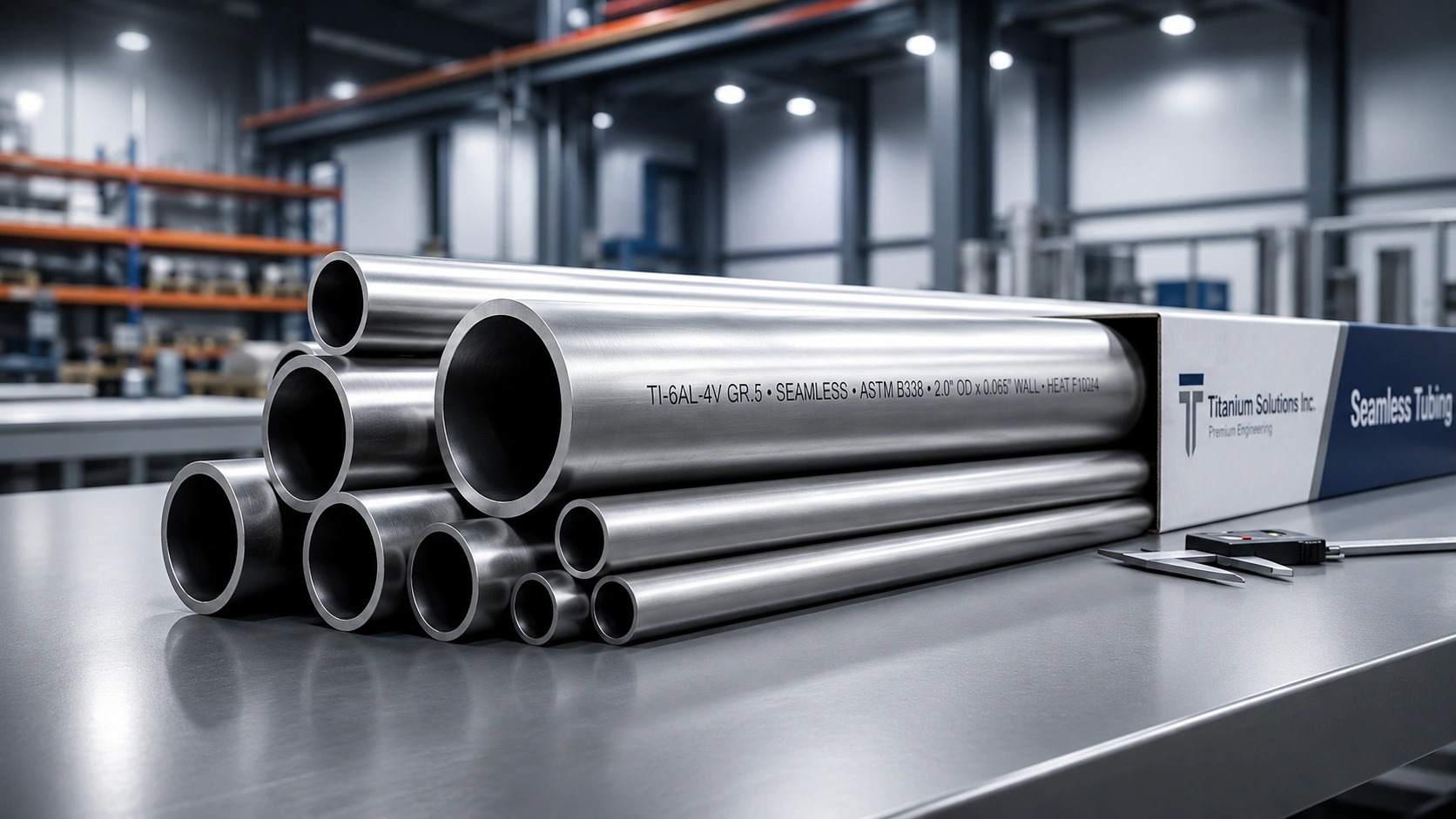
AMS 2630 Ultrasonic Inspection
AMS 2630 specifies ultrasonic inspection methods for non-destructive testing of aerospace materials, titanium alloys, and metal components. The standard covers pulse echo, contact, and immersion ultrasonic testing for detection of internal defects in products over 0.5 inch thick. Online Titanium supplies certified inspected materials with full UT documentation.
Company Product by Online Titanium
Online Titanium supplies high-quality titanium and alloy materials with AMS 2630 ultrasonic inspection support for aerospace, defense, medical, marine, oil and gas, power generation, and precision engineering applications.
As a reliable supplier of AMS 2630 inspected titanium bar, AMS 2630 certified round bar, AMS 2630 inspected billet, and AMS 2630 certified plate, Online Titanium helps customers source materials that require internal defect inspection, UT certification, and reliable quality documentation.
Our AMS 2630 inspection and supply support includes:
AMS 2630 ultrasonic inspection
AMS 2630 ultrasonic testing
AMS 2630 UT testing
AMS 2630 NDT testing
AMS 2630 non destructive testing
AMS 2630 pulse echo ultrasonic testing
AMS 2630 contact ultrasonic testing
AMS 2630 immersion ultrasonic testing
AMS 2630 inspected material
AMS 2630 certified material
AMS 2630 tested material
AMS 2630 ultrasonic test certificate
AMS 2630 UT certificate
AMS 2630 inspection certificate
AMS 2630 titanium ultrasonic inspection
AMS 2630 aerospace titanium inspection
Product Overview
AMS 2630 Ultrasonic Inspection is a non-destructive testing method used to inspect metallic materials for internal defects such as cracks, voids, laminations, inclusions, and discontinuities. It is commonly used for aerospace materials, titanium bars, billets, plates, round bars, cylindrical products, flat products, contoured products, and finished machined parts.
Online Titanium supplies AMS 2630 inspected material, AMS 2630 certified material, AMS 2630 inspected titanium bar, AMS 2630 certified round bar, AMS 2630 inspected billet, and AMS 2630 inspected plate for customers who require verified internal material quality.
This standard is commonly searched by buyers looking for SAE AMS 2630, AMS 2630 UT testing, AMS 2630 ultrasonic test certificate, AMS 2630 product over 0.5 inch thick, AMS 2630 product over 12.7 mm thick, and AMS 2630 acceptance criteria.
What is AMS 2630 Ultrasonic Inspection?
AMS 2630 is an aerospace ultrasonic inspection standard used for non-destructive testing of materials and components. It is commonly associated with pulse echo ultrasonic testing, contact ultrasonic testing, immersion ultrasonic testing, longitudinal wave testing, and shear wave testing.
AMS 2630 ultrasonic testing is used to inspect material without damaging it. It helps detect internal defects and discontinuities before the material is used for machining, forging, fabrication, aerospace components, defense parts, or high-performance industrial equipment.
Common buyer search terms include AMS 2630 ultrasonic inspection, AMS 2630 ultrasonic testing, SAE AMS 2630, AMS 2630 UT testing, AMS 2630 NDT testing, AMS 2630 inspected material, and AMS 2630 certified material.
Key Features of AMS 2630 Ultrasonic Inspection
Non-Destructive Testing Method
AMS 2630 non-destructive testing allows internal material inspection without cutting, damaging, or destroying the product.
Pulse Echo Ultrasonic Testing
AMS 2630 pulse echo ultrasonic testing is used to detect internal discontinuities by evaluating ultrasonic wave responses inside the material.
Suitable for Thick Products
AMS 2630 product over 0.5 inch thick and AMS 2630 product over 12.7 mm thick are commonly searched by buyers needing thick-section ultrasonic inspection.
Multiple Inspection Methods
AMS 2630 may involve contact ultrasonic testing, immersion ultrasonic testing, longitudinal wave testing, and shear wave testing depending on product form and inspection requirement.
Detects Internal Defects
AMS 2630 internal defects inspection helps detect cracks, voids, laminations, inclusions, and material discontinuities before production use.
Suitable for Aerospace Materials
AMS 2630 aerospace inspection and AMS 2630 aerospace ultrasonic testing are used for high-reliability materials used in aircraft and aerospace components.
Technical Specifications of AMS 2630 Inspected Material
| Product Name | AMS 2630 Ultrasonic Inspection |
|---|---|
| Primary Keyword | AMS 2630 |
| Common Standard Name | SAE AMS 2630 / SAE AMS2630 |
| Inspection Type | Ultrasonic Inspection / Ultrasonic Testing |
| Testing Method | UT Testing / NDT Testing |
| Testing Technique | Pulse Echo, Contact UT, Immersion UT |
| Wave Types | Longitudinal Wave, Shear Wave |
| Material Forms | Flat Product, Round Bar, Cylindrical Product, Contoured Product, Machined Parts |
| Thickness Reference | Products over 0.5 inch / 12.7 mm thick |
| Common Products | Round Bar, Titanium Bar, Billet, Plate, Certified Material |
| Documentation | UT Certificate, Inspection Certificate, Ultrasonic Test Certificate |
| Applications | Aerospace, Defense, Titanium, Steel, Nickel Alloy, Industrial Materials |
| Supplier | Online Titanium |
AMS 2630 Inspection Scope
AMS 2630 material inspection is used for materials where internal quality and defect detection are important. It supports inspection of thick sections, round products, flat materials, machined parts, and aerospace-grade materials.
AMS 2630 Flat Product Inspection
AMS 2630 flat product inspection is used for plates, sheets, blocks, and flat sections where internal soundness must be verified.
AMS 2630 Round Bar Inspection
AMS 2630 round bar inspection is used for round bars, rods, and cylindrical material intended for machining or forging.
AMS 2630 Cylindrical Product Inspection
AMS 2630 cylindrical product inspection is used for bars, shafts, rods, and rounded material forms.
AMS 2630 Contoured Product Inspection
AMS 2630 contoured product inspection is used for shaped products where geometry-specific inspection may be required.
AMS 2630 Finished Machined Parts Inspection
AMS 2630 finished machined parts inspection is used for critical machined components that require ultrasonic verification after processing.
AMS 2630 Thick Section Ultrasonic Inspection
AMS 2630 thick section ultrasonic inspection is used for products over 0.5 inch or 12.7 mm thickness where internal discontinuity detection is required.
AMS 2630 Acceptance Criteria
AMS 2630 acceptance criteria depends on the material form, product size, inspection class, customer purchase order, engineering drawing, and applicable project requirement.
Typical inspection focus areas include:
Internal defect detection
Cracks, voids, and lamination inspection
Material soundness verification
Ultrasonic response evaluation
Pulse echo testing results
Thickness and geometry suitability
Heat number traceability
UT certificate documentation
Inspection certificate support
Customer-specific acceptance requirements
AMS 2630 Tested Material Variants
AMS 2630 Certified Material
AMS 2630 certified material is supplied with ultrasonic inspection documentation and material traceability support as per customer requirement.
AMS 2630 Inspected Material
AMS 2630 inspected material is suitable for aerospace, defense, medical, marine, and industrial applications where internal quality verification is needed.
AMS 2630 Tested Material
AMS 2630 tested material is used where UT testing and internal soundness confirmation are required before machining, forging, or fabrication.
AMS 2630 Inspected Round Bar
AMS 2630 inspected round bar is used for shafts, fasteners, rings, aerospace parts, medical components, and precision-machined industrial products.
AMS 2630 Certified Round Bar
AMS 2630 certified round bar is supplied with inspection certificate or UT certificate support based on order requirement.
AMS 2630 Inspected Titanium Bar
AMS 2630 inspected titanium bar is used for aerospace, aircraft, medical, marine, and industrial titanium components requiring internal defect inspection.
AMS 2630 Certified Titanium Bar
AMS 2630 certified titanium bar is supplied for critical applications where titanium bar quality, traceability, and UT documentation are required.
AMS 2630 Inspected Billet
AMS 2630 inspected billet is suitable for forging, rolling, machining, and component manufacturing where internal soundness is required.
AMS 2630 Certified Billet
AMS 2630 certified billet is supplied for customers who require ultrasonic test certification and material documentation.
AMS 2630 Inspected Plate
AMS 2630 inspected plate is used for aerospace structures, defense components, medical parts, marine equipment, and high-integrity industrial applications.
AMS 2630 Certified Plate
AMS 2630 certified plate is supplied with documentation support for projects requiring verified internal plate quality.
Materials Suitable for AMS 2630 Ultrasonic Testing
AMS 2630 Titanium Ultrasonic Inspection
AMS 2630 titanium ultrasonic inspection is used for titanium bars, billets, plates, and titanium alloy materials where internal quality and traceability are important.
AMS 2630 Titanium Alloy Ultrasonic Testing
AMS 2630 titanium alloy ultrasonic testing is useful for aerospace titanium alloys, medical titanium alloys, and high-performance industrial titanium materials.
AMS 2630 Steel Ultrasonic Inspection
AMS 2630 steel ultrasonic inspection is used for steel components requiring internal soundness verification.
AMS 2630 Alloy Steel UT Testing
AMS 2630 alloy steel UT testing is used for alloy steel round bars, billets, plates, and components where internal defects must be controlled.
AMS 2630 Nickel Alloy Ultrasonic Inspection
AMS 2630 nickel alloy ultrasonic inspection is used for nickel alloy materials requiring high-quality inspection for demanding environments.
AMS 2630 Cobalt Chrome Ultrasonic Inspection
AMS 2630 cobalt chrome ultrasonic inspection is used for cobalt chrome materials requiring internal defect inspection and certification support.
Benefits of AMS 2630 Ultrasonic Testing
Using AMS 2630 ultrasonic testing provides important quality benefits for critical materials.
Helps verify internal material soundness
Supports aerospace-grade inspection requirements
Non-destructive testing method
Suitable for thick materials over 0.5 inch / 12.7 mm
Useful for flat, round, cylindrical, contoured, and machined products
Helps detect cracks, voids, laminations, and discontinuities
Supports safer use of materials in critical components
Helps reduce risk before machining, forging, or final use
Supports UT certificate and inspection certificate requirements
Suitable for titanium, steel, nickel alloy, cobalt chrome, and alloy materials
Useful for aerospace, defense, medical, marine, and industrial applications
Helps improve buyer confidence in certified material quality
Applications of AMS 2630 Inspected Materials
Aerospace Applications
AMS 2630 aerospace ultrasonic testing is used for materials intended for aircraft structures, aerospace fasteners, shafts, rings, fittings, brackets, and critical flight components.
Titanium Applications
AMS 2630 titanium ultrasonic testing is used for titanium bars, billets, and plates before machining, forging, or precision component production.
Defense Applications
AMS 2630 inspected material is suitable for defense systems, military hardware, structural components, lightweight assemblies, and high-performance parts.
Medical Applications
AMS 2630 certified titanium bar and inspected material may be used in medical, surgical, and implant-related manufacturing where internal quality verification is important.
Marine Applications
AMS 2630 inspected titanium, steel, nickel alloy, and alloy materials are used in marine equipment, offshore components, shafts, valves, and corrosion-resistant systems.
Forging and Machining Applications
AMS 2630 inspected billet and AMS 2630 inspected round bar are used before forging or CNC machining high-integrity components.
Industrial Engineering Applications
AMS 2630 tested materials are used for pump parts, valve parts, shafts, couplings, fittings, fasteners, rings, and precision-machined industrial components.
Control & Diagnostics
Online Titanium follows strict inspection and quality support for AMS 2630 ultrasonic inspection, AMS 2630 UT testing, and AMS 2630 material testing requirements.
Quality Control Checks
Visual inspection
Dimensional inspection
Material form verification
Thickness verification
Surface finish inspection
Grade verification
Heat number traceability
Ultrasonic inspection support
Pulse echo testing support
UT documentation support
Inspection certificate support
Material certificate verification
Packing and marking inspection
Testing and Documentation Support
Online Titanium can provide documentation support for:
AMS 2630 specification
AMS 2630 material specification
AMS 2630 inspection specification
AMS 2630 acceptance criteria
AMS 2630 ultrasonic inspection support
AMS 2630 ultrasonic testing support
AMS 2630 UT certificate
AMS 2630 inspection certificate
AMS 2630 ultrasonic test certificate
SAE AMS 2630 inspection details
Product traceability and material certificates
AMS 2630 vs AMS 2631
Many buyers compare AMS 2630 vs AMS 2631 when selecting ultrasonic inspection requirements.
AMS 2630
AMS 2630 is commonly searched for ultrasonic inspection of products over 0.5 inch / 12.7 mm thick, including flat products, round bars, cylindrical products, contoured products, and finished machined parts.
AMS 2631
AMS 2631 is commonly searched for ultrasonic inspection of titanium bars, billets, plates, and titanium alloy materials.
Selection Guide
Choose AMS 2630 ultrasonic inspection when your material requirement, drawing, or purchase order specifies AMS 2630. Choose AMS 2631 only when your project specifically requires AMS 2631 inspection.
AMS 2630 vs AMS 2632
AMS 2630
AMS 2630 UT testing is used for applicable materials and products requiring ultrasonic inspection under AMS 2630.
AMS 2632
AMS 2632 is commonly searched by buyers comparing aerospace non-destructive testing standards and inspection practices.
Key Difference
The correct inspection standard should be selected based on material form, product thickness, geometry, alloy type, engineering drawing, purchase order requirement, and acceptance criteria.
AMS 2630 vs AMS 2628
AMS 2630
AMS 2630 ultrasonic inspection is used for ultrasonic testing and internal defect detection in applicable materials and parts.
AMS 2628
AMS 2628 is commonly searched by buyers comparing inspection-related aerospace specifications.
Selection Guide
Choose the inspection standard specified in your project document. If your purchase requirement mentions AMS 2630, Online Titanium can support AMS 2630 inspected and certified material supply.
AMS 2630 vs AMS STD 2154
AMS 2630
AMS 2630 is commonly used for ultrasonic inspection of specified products and materials where internal soundness is required.
AMS STD 2154
AMS STD 2154 is commonly searched as an aerospace ultrasonic inspection standard used for certain wrought metal products and material forms.
Selection Guide
Choose AMS 2630 ultrasonic testing when your drawing or purchase order calls for AMS 2630. Choose AMS STD 2154 only when the customer specification requires it.
Why Choose Online Titanium for AMS 2630 Inspected Material?
Online Titanium is a trusted supplier of AMS 2630 inspected material, AMS 2630 certified material, AMS 2630 tested material, AMS 2630 inspected round bar, AMS 2630 certified round bar, AMS 2630 inspected titanium bar, AMS 2630 certified titanium bar, AMS 2630 inspected billet, and AMS 2630 certified plate for aerospace, defense, medical, marine, and industrial customers.
Reasons to Choose Online Titanium
Reliable supplier of AMS 2630 inspected material
Support for AMS 2630 ultrasonic inspection and UT testing
Supply of titanium bars, billets, plates, and round bars with inspection documentation
Support for SAE AMS 2630 ultrasonic testing requirements
Availability of AMS 2630 certified round bar and certified titanium bar
Support for AMS 2630 ultrasonic test certificate requirements
Custom sizes, grades, forms, and finishes available
Quality-focused supply process
Support for technical and commercial documentation
Suitable for Indian and international clients
Project-based supply for aerospace, defense, medical, marine, and industrial applications
Reliable materials for high-integrity components
Order AMS 2630 Inspected Material from Online Titanium
Looking to buy AMS 2630 inspected material, AMS 2630 certified material, AMS 2630 inspected round bar, AMS 2630 certified titanium bar, AMS 2630 inspected billet, or AMS 2630 certified plate for your aerospace or industrial project? Online Titanium supplies premium-quality materials with AMS 2630 ultrasonic inspection, AMS 2630 UT testing, AMS 2630 NDT testing, and certificate documentation support as per customer requirement.
Contact Online Titanium for:
AMS 2630 ultrasonic inspection
AMS 2630 ultrasonic testing
AMS 2630 UT testing
AMS 2630 NDT testing
AMS 2630 pulse echo ultrasonic testing
AMS 2630 titanium ultrasonic inspection
AMS 2630 titanium bar UT testing
AMS 2630 titanium billet inspection
AMS 2630 titanium plate inspection
AMS 2630 round bar supplier
AMS 2630 inspected round bar
AMS 2630 certified round bar
AMS 2630 inspected titanium bar
AMS 2630 certified titanium bar
AMS 2630 ultrasonic test certificate
AMS 2630 UT certificate
SAE AMS 2630 ultrasonic testing
Online Titanium is your trusted source for AMS 2630 ultrasonic inspection, AMS 2630 certified material, AMS 2630 inspected round bar, AMS 2630 certified titanium bar, AMS 2630 inspected billet, AMS 2630 certified plate, and AMS 2630 ultrasonic test certificate support for critical applications.

Online Titanium supports AMS 2630 inspected material with a focus on internal soundness verification, UT documentation, heat number traceability, material certification, and reliable inspection support.

We support AMS 2630 ultrasonic inspection, UT testing, NDT testing, certified round bars, inspected titanium bars, billets, plates, and aerospace material requirements.

Online Titanium
Buy AMS 2630
Inspected Material
Contact Online Titanium for AMS 2630 ultrasonic inspection, UT testing, NDT testing, inspected titanium bar, certified round bar, inspected billet, inspected plate, UT certificate, and ultrasonic test certificate support.